
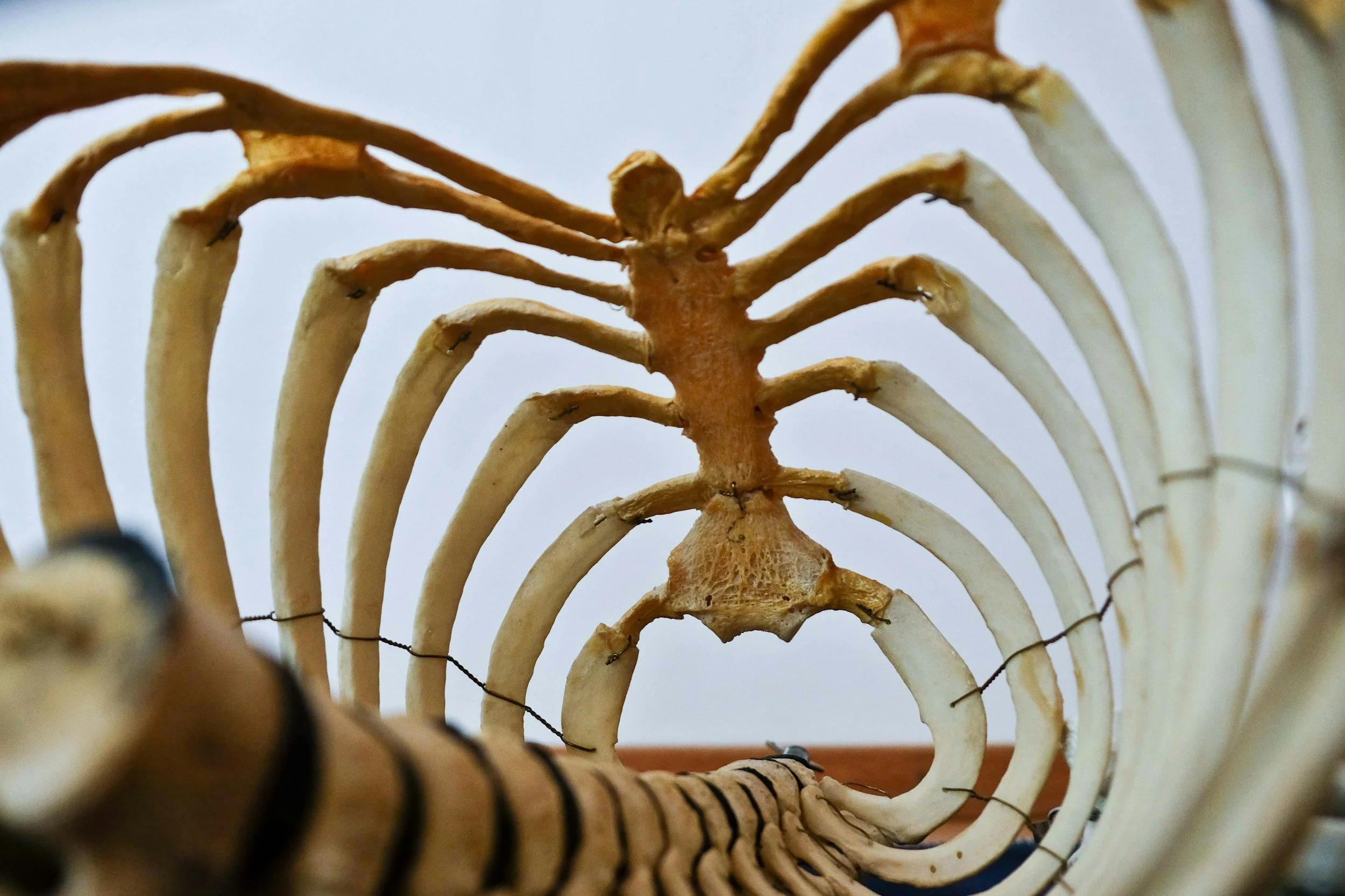
My Other Loves: The Thorax and the Vagus Nerve
I have a confession to make. I’m a little bit obsessed with the thorax. But there’s a reason for my obsession. The thorax isn’t simply a rigid box between your neck and pelvis. It’s a dynamic, three-dimensional structure involved in movement, breathing, load transfer and protection.
And the more I’ve worked with it, the more fascinated I’ve become by its relationship with the nervous system, particularly the vagus nerve.
So, could changing how the thorax moves influence more than movement alone?
Could we give the vagus a little more breathing room? This is where my current rabbit hole begins…

Learning to Listen: The Road That Brought Me Here
Rather than boring you this month with clinical insights or over-explaining my love of fascia and the nervous system, I thought I'd get a little more personal.

Beyond Diagnosis: Formulation-Informed Physiotherapy
At the heart of my physiotherapy approach is a deep curiosity about how the body adapts, compensates, and communicates through pain and movement. Rather than focusing solely on diagnosis, I work from a formulation-based perspective, exploring the wider story behind symptoms by considering biomechanics, nervous system behaviour, movement history, and the body’s interconnected systems. This approach allows treatment to become highly individualised, helping uncover not just where pain exists, but why the body has developed these patterns in the first place.

Rethinking Manual Therapy: Why Gentle is Best
“The body does not need forceful convincing… it needs the conditions to reorganise” - Moshe Feldenkrais
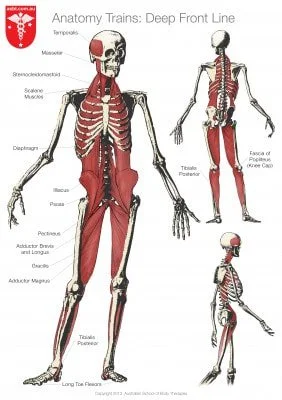
Deep Front Line for Fascia Junkies
Let’s delve a little deeper in to one of my favourite fascial lines as described by Thomas Myers (Anatomy Trains). While superficial lines can teach us about movement. The Deep front line teaches us about our bodies containment strategies and connection - I like to think of it as the structural core of our safety.

Fascia: Our Emotional Storage System

Back to basics: Breathing is key.
Isn’t it amazing that something so universal, so automatic, is so poorly understood. Breathing is one of those things we need to get back in control of. Click through if you want to learn how.

Who is turning the volume up?
How is it that different people’s pain can be at different volumes? Why is it that when I stub my toe, I need 30 minutes to recover from the excruciating experience, whilst a rugby player can take the force of a 120kg man running at him at full force but not feel a thing?

The Parallels.
There are numerous parallels between the body and mind. The way they operate and the way they can break down.